

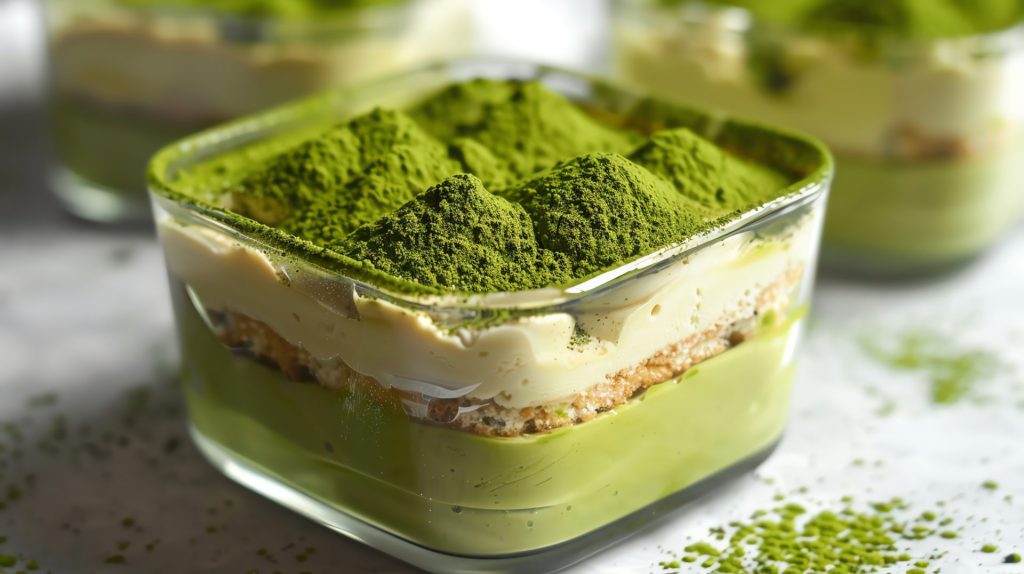
Matcha obsession has moved well beyond a niche health trend, and it’s now one of the fastest-growing opportunities in food and beverage. According to Forbes, the global matcha market is projected to reach $7.43 billion by 2030, with North America posting the fastest regional growth of any market. For coffee shops, restaurants, and F&B brands of every size, that trajectory makes matcha powder for business use nearly impossible to ignore.
It comes from the same Camellia sinensis plant as green tea, but the way it’s grown and processed sets it apart. Weeks before harvest, the leaves are shaded to boost chlorophyll and amino acid content, then stone-ground into a fine powder. The result is a flavor profile that’s distinctly umami and earthy, a taste that’s become the number-one choice for a growing number of consumers.
In this guide, we’ll break down why matcha is outpacing coffee in popularity, how it compares on profit margin, and what separates culinary-grade matcha from premium ceremonial-grade matcha so you can decide how to bring it into your own menu.
Why Customers Are Switching
Why does matcha inspire such loyalty? Beyond its wellness appeal, matcha has a flavor profile that’s genuinely hard to replicate with anything else. It’s also remarkably versatile:
- Pairs well with chocolate, strawberry, ube, and other popular flavors
- Holds its own as a standalone drink, hot or iced
- Offers a smoother energy lift than coffee, without the jittery crash
That versatility, combined with a reputation as a “healthier” alternative to coffee, is a major reason matcha has built such a devoted following and why matcha vs coffee has become one of the defining conversations in specialty beverage menus today.
Higher Profit Margins Than Coffee
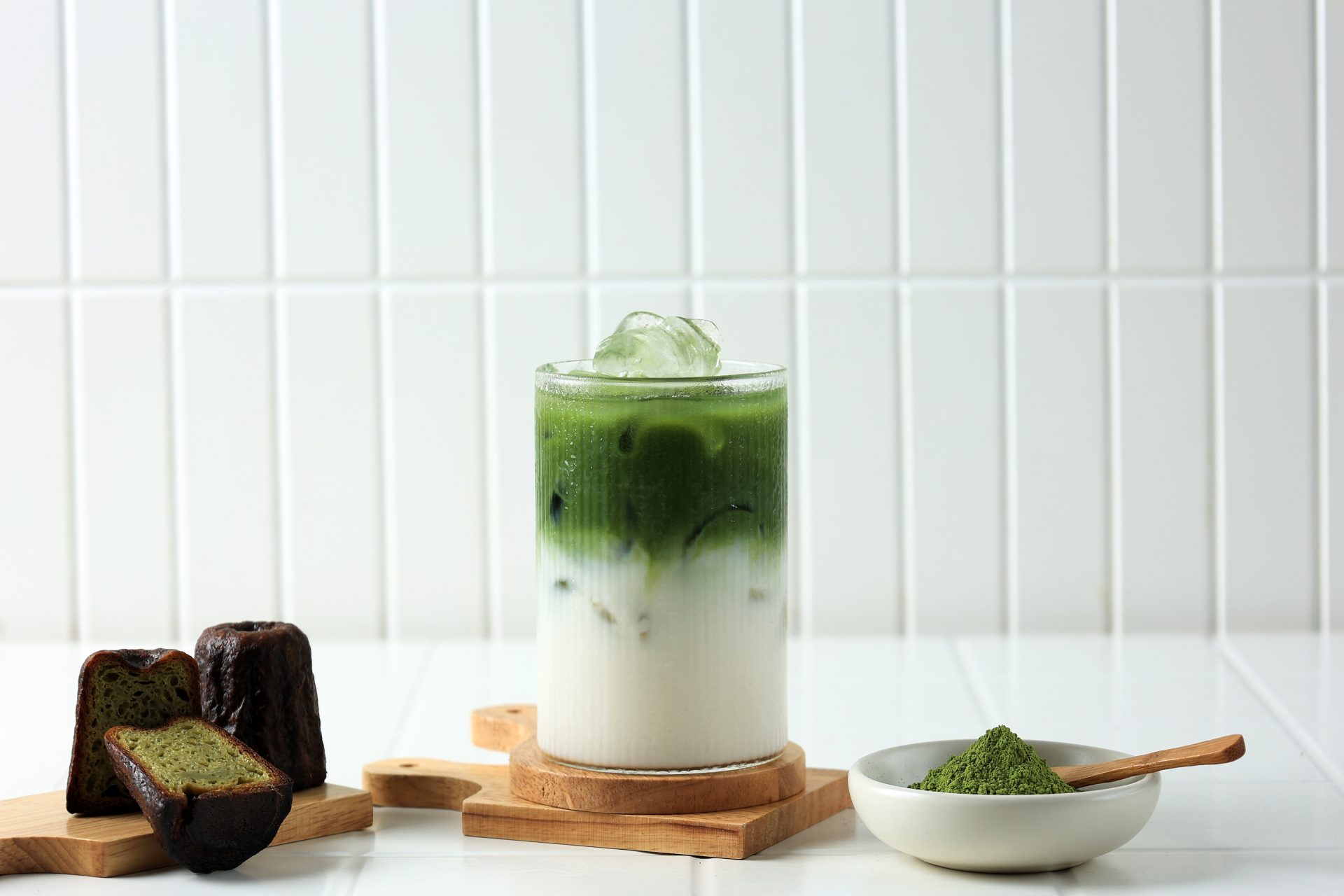
Matcha has become one of coffee’s biggest competitors on the menu, and a big part of that is the profit margin. Here’s why it works in a business’s favor:
- Premium pricing — Its distinctive flavor and current popularity support a higher price point per cup.
- Low usage per serving — A single matcha latte only requires a small amount of powder.
- Lower prep overhead — Unlike coffee, it doesn’t need roasting or grinding; it simply needs to be stored properly to preserve quality and color.
Together, these factors make it one of the more cost-effective, high-margin additions a café or restaurant can add to its menu.
Culinary vs. Premium (Ceremonial) Matcha
Not all matcha is created equal, and the grade matters for how it’s used in a commercial kitchen.
Culinary-grade is the better fit for F&B applications:
- Blends well with milk, sugar, flour, and other ingredients
- Ideal for both beverages and baking
- Offers a strong EGCG (antioxidant) content, adding a wellness angle for health-conscious customers
Ceremonial-grade (premium) , by contrast:
- Best enjoyed on its own, whisked with water
- Made from the youngest, most delicate tea leaves
- Commands a significantly higher price point
For most F&B businesses — lattes, ice cream, baked goods, and more — culinary grade matcha is the practical, versatile choice.
Introducing Green House Matcha Powder
That’s exactly why Green House created our own culinary-grade Matcha Powder, 100% matcha, formulated for versatility across both baking and beverage applications, so it’s ready to slot into whatever your menu needs.
Get it while the launch promo lasts, order now.
References
- Chhabra, E. (2026, June 5). The Matcha Boom Continues To Drive The World’s Fastest Growing Tea. Forbes.
- 9 Reasons Why Matcha Is a Profitable Product for Coffee Shop Owners. Matcha Outlet.