

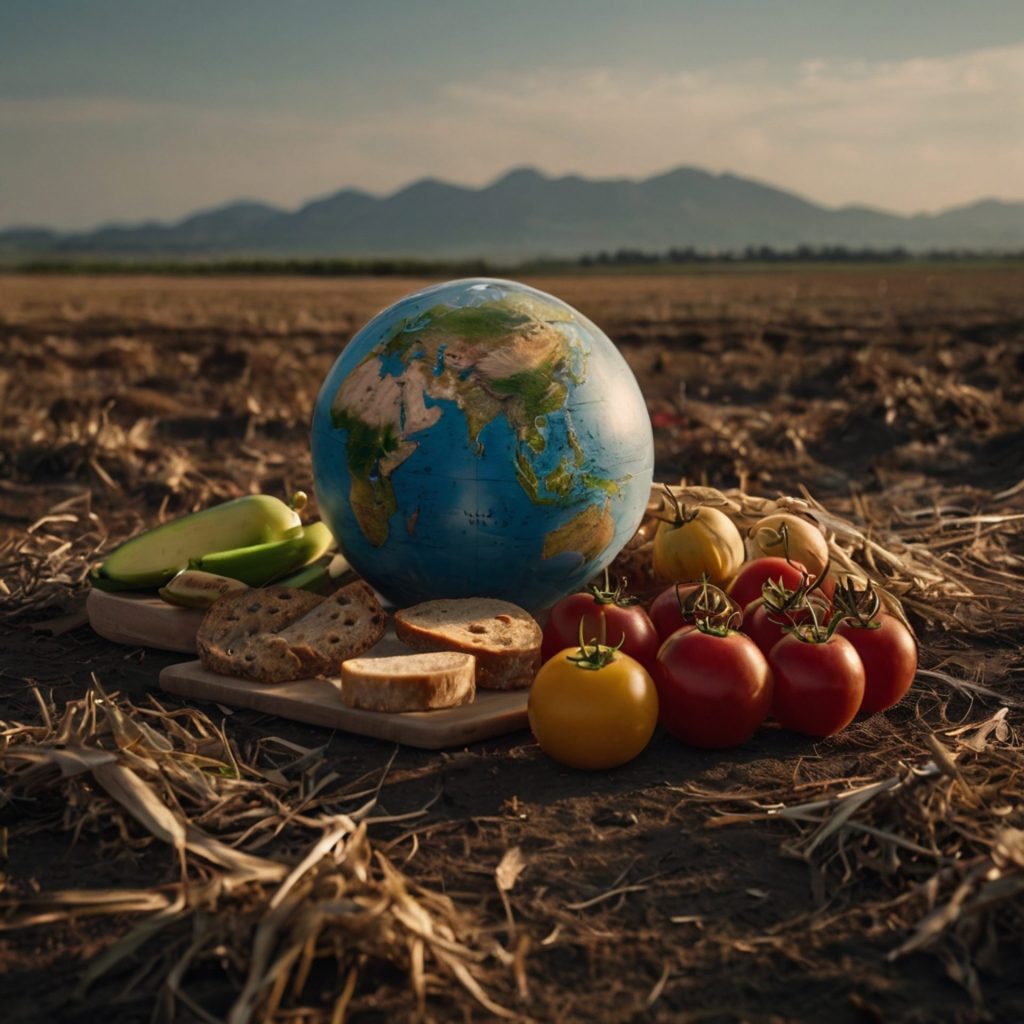
Picture the sharp, aromatic (durian from laut) tang of ginger from Bentong, or the deep, complex sweetness of vanilla grown in the hills of Borneo. These distinct profiles are not just ingredients; they are sensory experiences shaped by their unique environments. However, our changing climate is beginning to rewrite these recipes. Unpredictable weather patterns, from prolonged droughts in one region to unexpected floods in another, are subtly altering the very chemistry of the plants we rely on. This presents a huge challenge for businesses that depend on consistency. Here at Green House Flavour, we are seeing first-hand how these environmental shifts impact everything from crop yield to the final taste. Understanding and adapting to these changes is no longer optional—it is essential for anyone serious about creating exceptional products.
How Unpredictable Weather Shapes What We Taste
The connection between climate and taste is incredibly direct. The specific aroma and taste profile of an ingredient—what we call its terroir—is a delicate balance of soil, sunlight, and water. A change in any of these variables can have a significant effect. For instance, an unexpected heatwave can cause fruits to ripen too quickly, leading to higher sugar content but less developed aromatic compounds. Conversely, excessive rainfall can dilute the natural sugars and acids in a crop, resulting in a bland, watered-down profile. We provide a nuanced explanation of agricultural and environmental factors influencing raw materials for flavour extracts, affecting aroma profile and production consistency. These are not just farming issues; they are core business challenges that directly impact the quality and reliability of the final food flavor.
Navigating the New Supply Chain Maze
The reliability of our supply chains is being tested like never before. A single climatic event, such as a typhoon in the Philippines impacting vanilla crops or a drought affecting citrus groves in the Mediterranean, can create global shortages and price spikes. For Malaysian businesses, this means we must look closer to home and also diversify our sourcing. We must assess the risks in our current supply chains and identify opportunities. This could mean partnering with growers in different climate zones to hedge against regional crop failures or investing in local agriculture to reduce reliance on long, fragile supply lines. Being proactive allows us to anticipate disruptions and maintain a steady supply of high-quality raw materials for our clients.
The Power of Place: Celebrating Malaysian Terroir
While climate change presents risks, it also offers a unique opportunity to champion our local terroir. Malaysia is blessed with an incredible diversity of climates and ecosystems, from the cool highlands to the tropical lowlands. This variation allows for the cultivation of ingredients with truly unique and sought-after flavour profiles. Think of the subtle floral notes of strawberries from the Cameron Highlands or the earthy richness of spices grown in Sarawak. By working closely with local farmers and understanding the specific characteristics of each region, we can develop signature flavours that cannot be replicated anywhere else. This strategy not only builds a more resilient supply chain but also creates a compelling story that resonates with consumers who value authenticity and provenance.
Technology's Role in Flavour Consistency
How can we guarantee a consistent product when the raw ingredients themselves are subject to natural variation? The answer lies in technology. Two areas are proving particularly useful:
- Controlled Environment Agriculture (CEA): This involves growing high-value crops like herbs and spices in indoor farms or greenhouses. CEA allows us to control every variable—light, temperature, humidity, and nutrients—to create the perfect growing conditions year-round. This method eliminates the unpredictability of weather, ensuring a stable supply of raw materials with a consistent profile.
- Biomolecular Data Analysis: Think of this as creating a “flavour fingerprint” for each batch of raw material. By analysing the key chemical compounds that create a specific taste and aroma, we can guarantee batch-to-batch consistency. This scientific approach allows us to adjust our extraction processes to compensate for minor variations, securing a consistent food flavor profile our customers can rely on.
These technologies are an investment in predictability, ensuring that the vanilla extract you buy in December tastes just as perfect as the one from June.
Building a Resilient Flavour Future
Anticipating the future means preparing for volatility. Price fluctuations and supply disruptions are becoming the new normal. To thrive, businesses must build resilience into their models. This starts with investing in climate-resilient cultivation methods. This could involve supporting farmers who use drought-resistant crop varieties or water-saving irrigation techniques. It also requires a more flexible approach to procurement, anticipating potential price swings and securing key ingredients in advance where possible. By being strategically prepared, we can protect our business and our clients from market shocks, ensuring that a passion for flavour can flourish even in an uncertain world.
Ultimately, navigating the complexities of a changing climate requires a blend of agricultural wisdom and scientific innovation. The challenges are real, but so are the opportunities for those willing to adapt. By understanding climate’s impact on raw materials, diversifying our supply chains, and embracing technology, we can safeguard the consistency and quality of flavours for years to come. Here at Greenhouse Flavour, we are committed to being at the forefront of this evolution, working with our partners to turn challenges into triumphs. It’s about more than just protecting a business; it’s about preserving the rich tapestry of tastes that make our food so exciting and enjoyable for everyone.
Frequently Asked Questions
Climate change alters growing conditions like temperature and rainfall, which can change the balance of sugars, acids, and aromatic compounds in plants, directly impacting their final taste and aroma.
It is a method of growing flavour-producing plants like herbs and spices indoors, where factors like light, temperature, and water can be precisely managed to ensure a consistent and reliable crop.
We ensure quality by working closely with our growers, diversifying our supply sources, and using biomolecular analysis to verify the flavour profile of our raw materials before processing.
Yes, we specialise in developing unique Malaysian-inspired flavours by leveraging the country’s diverse regional ingredients and heritage profiles. From Bentong ginger and Cameron Highlands strawberries to iconic favourites such as Musang King durian, pandan leaf, Perak white coffee, and Johor M2 pineapple, we create distinctive flavour solutions that capture authentic local taste while meeting modern application needs.